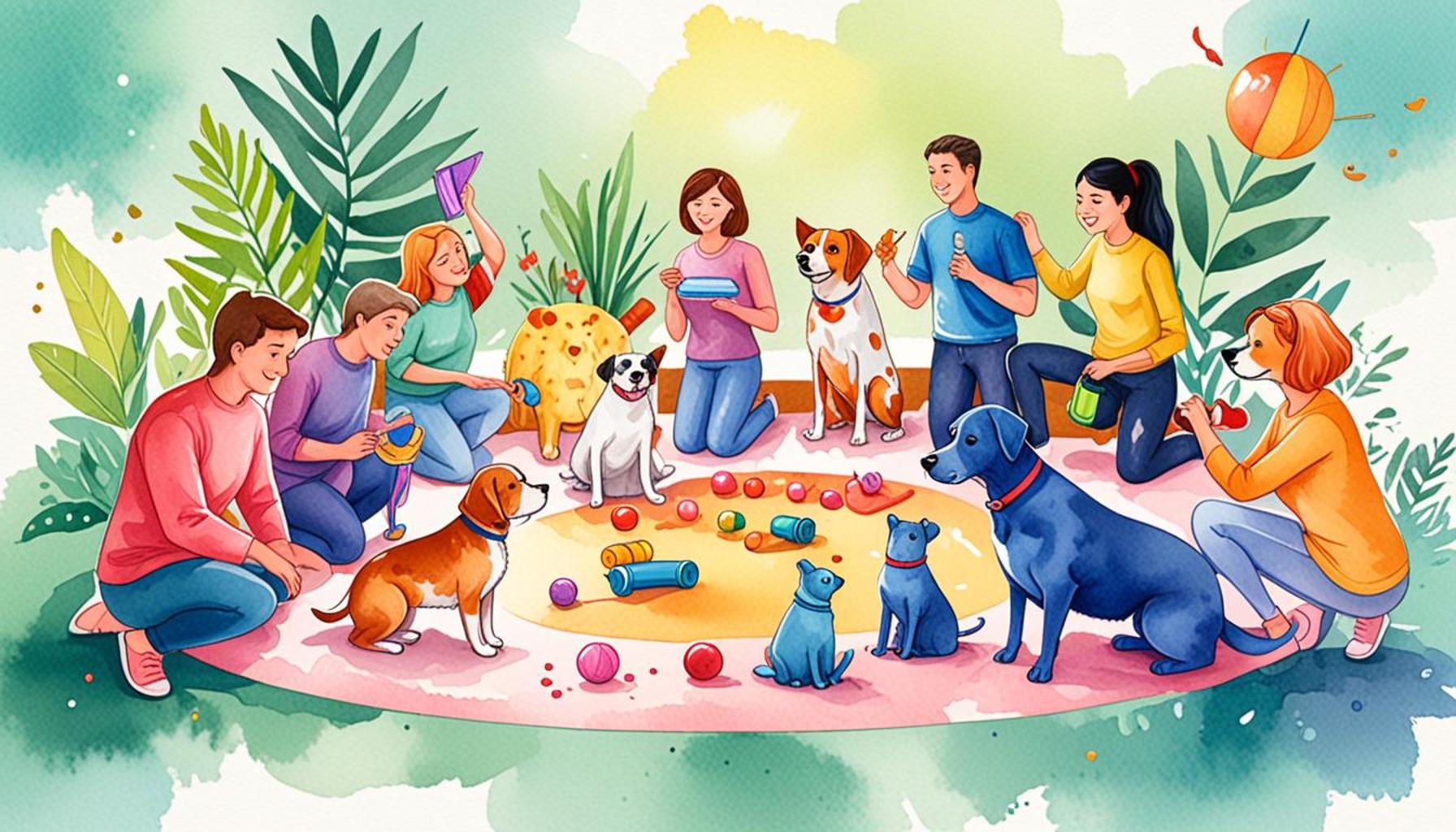
Exploring the Role of Socialization in Puppy Training Techniques

Understanding the Importance of Socialization in Puppy Training
Successful puppy training is a multifaceted journey that extends far beyond the mere teaching of basic commands like “sit” and “stay.” One of the most critical components in this journey is socialization. This pivotal process not only prepares a puppy for the world around them but also heavily influences their behavior and temperament as they grow. A well-socialized puppy is not just more pleasant to be around; they are also more likely to thrive in various environments and situations.
A key understanding in puppy training is recognizing the periods of development that puppies undergo. The crucial socialization window for puppies typically occurs between 3 to 14 weeks of age. During this time, the experiences a puppy encounters can significantly determine their demeanor in adulthood. Thus, the task of the trainer—whether they are a professional or a dedicated pet owner—becomes more profound than simply teaching commands; it involves fostering an environment where puppies can learn about safety, trust, and interaction.
Exposure to Varied Environments
Exposure to environments is one of the cornerstones of effective socialization. Taking puppies to varied locations such as local parks, bustling streets, and busy cafés enables them to experience different stimuli. For instance, the sounds of honking cars, laughter, and everyday human interactions all contribute to reducing a puppy’s impulsive fear and anxiety. A study published in the Journal of Veterinary Behavior suggests that puppies socialized in diverse settings are generally less prone to anxiety-related issues later in life. This diversified exposure equips them to navigate their surroundings confidently.
Interactions with Diverse People
Another essential aspect of socialization involves interactions with people. Meeting a variety of individuals, from lively children to calm seniors, exposes puppies to the spectrum of human behavior. It is through these interactions that puppies learn essential behaviors—such as how to accept gentle petting, handling, and even how to interact with unfamiliar individuals. Such experiences cultivate trust, which is critical for building a well-adjusted dog that can adapt to different social settings.
Playdates with Other Dogs
Engagement with fellow canines through playdates is equally crucial. When puppies interact with other dogs, they are provided a unique opportunity to learn essential social cues and body language. For instance, they discover how to read signs of playfulness versus aggression and learn appropriate responses. These interactions are not only instrumental in establishing camaraderie among dogs but also help in reducing potential behavioral issues that stem from insecurity or lack of social skills.
Long-term Benefits of Socialization
Research strongly indicates that puppies benefiting from early socialization are less likely to exhibit behavioral problems in adulthood. A well-socialized dog demonstrates reduced tendencies toward aggression, excessive barking, and separation anxiety. This not only enhances the puppy’s quality of life but also that of their owners. A dog that is comfortable in various environments is also a source of pride and joy for families, reducing stress and enhancing overall family dynamics.
In conclusion, the significance of socialization in the puppy training regimen cannot be overstated. It is a foundational aspect that shapes the future behavior and temperament of the dog. As we explore further into methods and techniques related to effective puppy training, we can reveal opportunities to turn a timid puppy into a confident companion, making the bond between humans and dogs stronger and more fulfilling.
DISCOVER MORE: Click here for insights on balanced nutrition for your pet’s health
The Foundations of Socialization in Puppy Development
The early stages of a puppy’s life are filled with significant milestones in social development. Understanding how socialization contributes to these stages is vital for any trainer or dog owner. Socialization is not merely about exposure to new experiences; rather, it encompasses a blend of learning, interaction, and acclimation that shapes a puppy’s perception of the world. The role of socialization in puppy training techniques cannot be overstated; it is the bedrock upon which future habits and behaviors are built.
The Critical Socialization Period
Identifying the critical socialization period, which spans from three to fourteen weeks of age, is fundamental in harnessing the benefits of socialization. During this window, puppies are particularly receptive to environmental influences and experiences. Trainers and owners can take advantage of this phase by introducing their puppies to:
- Diverse sounds, such as thunder, vacuum cleaners, and sirens
- Different surfaces, including grass, gravel, and pavement
- Various people and pets, allowing them to learn appropriate social behavior
This focused exposure during the critical period helps create a foundation of confidence, reducing susceptibility to fear-based reactions as they mature. The experiences that a pup undergoes during this time can either build resilience or lead to behavioral challenges later in life.
Positive Reinforcement through Social Interactions
Utilizing positive reinforcement techniques during socialization is crucial. Reward-based training fosters a positive association with new experiences, whether it’s meeting a new dog or embracing a bustling public setting. For instance, when puppies greet another dog nimbly, offering treats and praise solidifies that experience as enjoyable. Conversely, if a puppy reacts negatively to a new environment, it’s important not to inadvertently reward that fear with attention, which could reinforce undesirable behavior. This understanding of behavior modification through positive experiences is pivotal in effective puppy training.
The Role of Puppy Classes
Enrolling puppies in socialization classes offers structured opportunities for exposure to other dogs and people under professional supervision. These classes include exercises designed to encourage sociability while teaching essential commands in an engaging environment. The benefits of puppy classes include:
- Guided interactions with other puppies
- Skill instruction from experienced trainers
- Safe environments for learning and exploration
Thus, attending puppy classes can enhance the social framework that facilitates successful training enormously. The camaraderie formed with other dogs and the human interaction fostered by such classes lay the groundwork for a balanced attitude in social settings.
Mitigating Behavioral Issues Through Early Socialization
Studies indicate that puppies who are denied vital socialization experiences are at a greater risk of developing behavioral issues, such as aggression or debilitating anxiety. A well-socialized puppy tends to adapt to varying circumstances and environments more fluidly, contributing to a healthier emotional state as an adult dog. Establishing the right socialization practices early on can not only mitigate potential challenges but also help to enrich the human-canine bond, creating a fulfilling companionship that lasts a lifetime.
Understanding the various dimensions of socialization in puppy training lays a robust foundation for transformative learning experiences. As we delve deeper into specific techniques and methods, the journey to creating a well-adjusted adult dog becomes increasingly navigable, ensuring that both puppy and owner enjoy the process.
Exploring the Role of Socialization in Puppy Training Techniques
Socialization plays a pivotal role in the development of puppies, particularly in relation to their training. It involves exposing them to various stimuli, experiences, people, and other animals, which is essential for fostering a well-rounded and confident adult dog. The significance of socialization cannot be overstated; it lays the foundation for a puppy’s behavior, temperament, and overall adaptability to different environments.Research indicates that puppies who undergo proper socialization are less likely to exhibit behavioral issues such as aggression or fearfulness later in life. This is because early interactions help them learn appropriate responses to various situations. For instance, exposing a puppy to various sounds, sights, and smells can prevent anxiety associated with unfamiliar experiences in adulthood. Moreover, socialization can enhance a puppy’s ability to bond with its owner and other pets, promoting harmonious relationships within the home.Another important aspect of socialization is the critical window of development in puppies, typically between three and fourteen weeks of age. During this period, they are particularly receptive to new experiences. Engaging with different environments, people, and animals during this time can significantly boost their confidence and sociability. Pet owners and trainers can implement socialization techniques through organized puppy classes, playdates with other dogs, and visits to dog-friendly public places.The positive influences of socialization during training extend beyond simple behavioral adjustment. It fosters mental stimulation and physical play, crucial for a puppy’s overall wellbeing. Engaging puppies in diverse activities not only assists in their training but also keeps them focused and engaged, reducing the likelihood of unwanted behaviors stemming from boredom or anxiety.In summary, socialization is a fundamental component of effective puppy training techniques. By understanding the profound impact it has on a puppy’s development, trainers and pet owners can create a structured socialization plan that promotes a stable, well-adjusted, and well-trained pet. For those seeking to delve deeper into the intricacies of puppy socialization and its long-reaching effects, below is a detailed table summarizing the core advantages of implementing effective socialization strategies during training.
| Category | Key Features |
|---|---|
| Socialization | Early exposure to environments and experiences |
| Behavioral Benefits | Reduction of anxiety, fearfulness, and aggression |
| Increased Confidence | Improved adaptability to new situations |
| Bonding Opportunities | Fosters relationships with humans and other dogs |
DISCOVER MORE: Click here to learn how to reduce pet stress
Strategies for Effective Socialization in Puppy Training
The journey of socialization in puppy training does not end with simple exposure to varying environments and experiences; rather, it requires a thoughtful approach that incorporates specific strategies aimed at fostering a well-rounded personality in young dogs. These strategies are essential in shaping not only a puppy’s comfort in new situations but also their ability to interact positively with others, both human and canine.
Gradual Exposure to Different Environments
One of the most effective techniques for socialization involves gradual exposure to different environments. Instead of overwhelming a puppy with lots of new sights and sounds at once, it’s beneficial to introduce them incrementally. Begin with familiar locations and gradually venture into more stimulating areas. For instance, a walk around the neighborhood can start at a quiet time of day, progressing to busier sidewalks or parks. This method helps prevent fear responses that can arise when a puppy is suddenly thrust into chaotic surroundings.
Utilizing Controlled Playdates
Adding controlled playdates with other well-mannered dogs is another standout practice. Such arrangements, ideally facilitated by their owner or a trainer, can help puppies learn crucial social cues. Observing and mimicking appropriate behaviors fosters interactive skills, such as reading body language and understanding play signals. Choose playmates who have already been socialized effectively so that the interactions remain positive and constructive. These experiences teach puppies what healthy dog behavior looks like while minimizing the risk of negative encounters, which can hinder socialization progress.
The Importance of Desensitization Techniques
In addition to playdates, desensitization techniques can play a vital role in preparing puppies for encounters that may initially induce fear or anxiety. For instance, if a puppy is apprehensive about loud noises, gradually introducing them to those sounds at a low volume while concurrently providing positive reinforcement can desensitize their reaction over time. This could involve using recorded sounds of thunderstorms or fireworks during play sessions, always coupling the experience with treats and praise. Regular practice ensures that the puppy revolves around this stimulus without fear.
Encouraging Friendly Interactions with Humans
While socialization often centers on interactions with other dogs, encouraging positive interactions with humans is equally essential. Puppies should meet individuals of varying ages, appearances, and styles. Introductions should be gentle and calm to help the puppy feel secure. When children or unfamiliar adults approach, owners can manage these encounters by guiding the child on how to engage appropriately. This not only gives the puppy varied social experiences but also reinforces the idea that new people can be friendly and safe.
Tracking Progress and Adjusting Strategies
An integral yet often overlooked aspect of socialization is tracking progress. Owners should keep notes on their puppy’s reactions to different experiences to identify behaviors or environments that may require further work. Consistency is key; if a puppy demonstrates reluctance in certain situations, returning to those instances with a modified approach can lead to better outcomes. Adjusting socialization strategies based on observations supports the puppy’s development effectively, minimizing potential setbacks.
Understanding these multifaceted strategies enables trainers and owners to tailor socialization programs that cater to individual puppies’ needs. The ultimate goal is to cultivate a confident, well-adjusted dog capable of thriving in diverse environments, enriching their emotional intelligence and connection with humans. This makes the path to successful puppy training a rewarding venture for both pup and owner, ensuring they build lifelong bonds based on trust and comfort.
DISCOVER MORE: Click here for tips on managing your pet’s stress
Conclusion: The Vital Role of Socialization in Puppy Training
In conclusion, the integral role of socialization in puppy training cannot be overstated. The strategies discussed, from gradual exposure to various environments to establishing controlled playdates and employing desensitization techniques, each contribute uniquely to a puppy’s ability to adapt and thrive in a dynamic world. These methods not only prevent behavioral issues but also foster positive interactions with both humans and other animals, laying a strong foundation for a lifetime of good behavior.
Moreover, the importance of tracking progress in socialization efforts highlights the need for a tailored approach to training. Each puppy is distinct, and recognizing individual needs can lead to more effective strategies that ensure their emotional and social development. This incremental journey, rife with social experiences, ultimately builds confidence and resilience in our pups.
As pet owners and trainers delve deeper into puppy training techniques, it becomes evident that the time and effort invested in socialization yield significant long-term benefits. A well-socialized dog not only enriches the owner’s life but also enhances the community by promoting harmonious interactions. Therefore, embracing and prioritizing socialization from a young age is essential for cultivating happy, adaptable, and well-rounded canine companions. It is a commitment that promises a rewarding relationship filled with trust, understanding, and joy—a true testament to the bond between humans and their dogs.

Linda Carter
Linda Carter is a writer and pet care expert specializing in pet health, grooming, and wellness. With extensive experience helping pet owners create safe, loving, and enriching environments for their animals, Linda shares her knowledge on our platform. Her goal is to empower readers with practical advice and strategies to ensure their pets thrive and lead joyful, healthy lives.