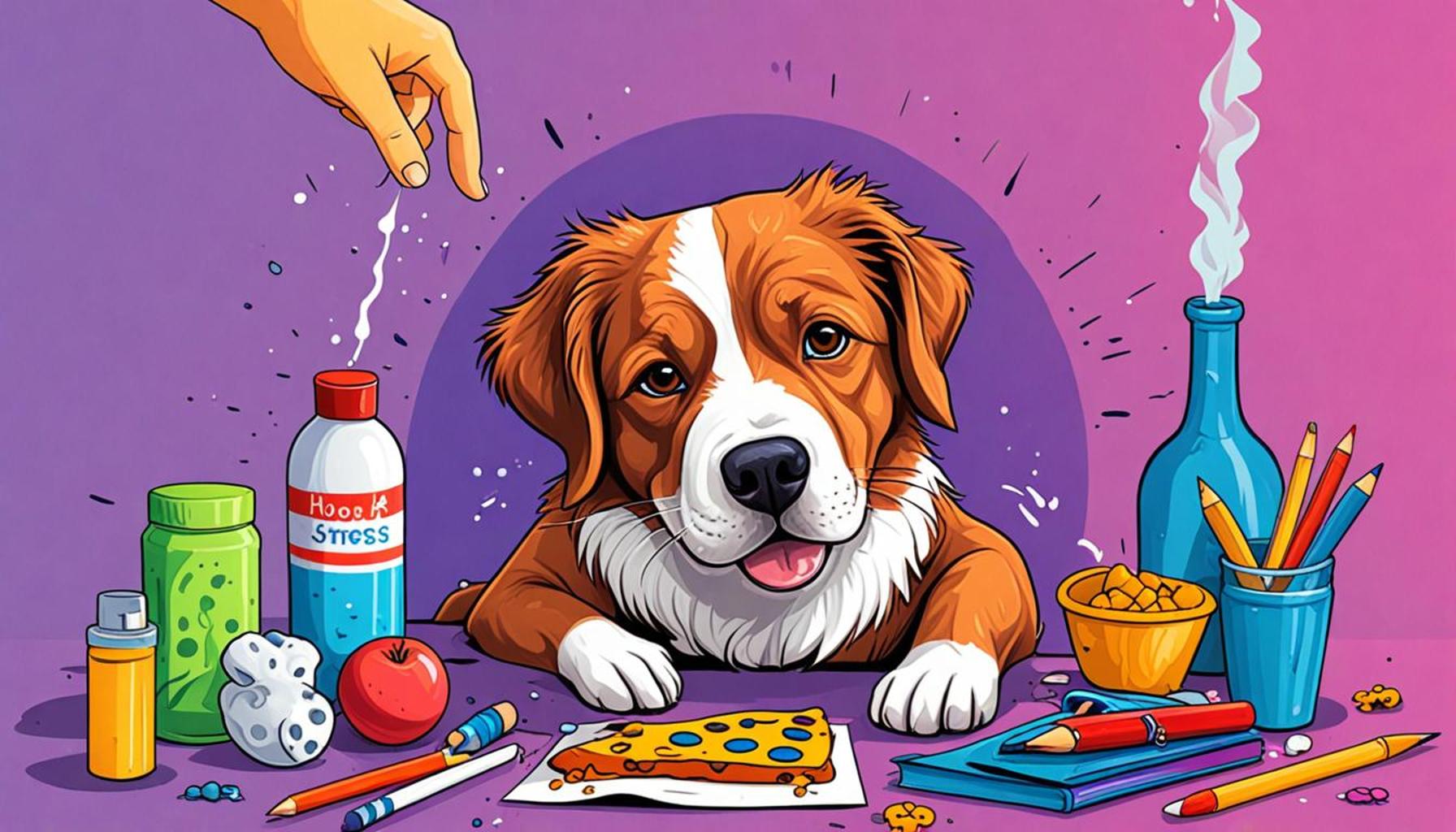
Strategies for Dealing with Separation Anxiety in Dogs

Understanding Separation Anxiety in Dogs
Separation anxiety in dogs is a prevalent condition that affects countless pets across the United States. As dogs form strong bonds with their owners, the stress of being left alone can lead to behavioral issues and emotional distress. The impact of separation anxiety is profound, both for the pet and the owner, as it can disrupt daily life and potentially harm the dog’s well-being. It is essential to understand the signs and implement effective strategies to ensure your furry friend remains happy and healthy.
The symptoms of separation anxiety can range from mild to severe, manifesting in various distressing behaviors. Common signs include:
- Excessive barking or howling: Dogs may vocalize continuously when left alone, which can lead to complaints from neighbors and create a stressful environment.
- Destructive behaviors: This may include chewing furniture, digging at doors, or ripping apart household items, as dogs try to cope with their anxiety.
- Accidents indoors: Despite being house-trained, dogs suffering from separation anxiety might urinate or defecate inside the house due to heightened stress levels.
Recognizing these signs early can be crucial in finding the right solutions to alleviate the anxiety. Here are a few effective strategies to consider:
- Gradual desensitization to departures: This technique involves practicing short departures and gradually increasing the duration, helping the dog to understand that you will return.
- Creating a safe, comforting environment: This can include setting up a designated space with their favorite toys, blankets, or even an item that carries your scent to help soothe them.
- Utilizing interactive toys or calming music: Engaging toys that stimulate your dog’s mind, or calming classical music, can serve to distract them and reduce anxiety levels.
Addressing separation anxiety requires patience and persistence. Every dog is unique, and some may respond better to specific interventions than others. It is essential to monitor changes over time and adjust your strategies accordingly. Behavioral therapies, training programs, or consulting a veterinarian for medication are additional options for severe cases that may need specialized attention.
With the right approach, you can help alleviate your dog’s fears and foster a sense of security. Stay tuned to discover effective techniques that can transform the way your beloved pet copes with being left alone. Understanding and addressing separation anxiety can lead to a happier, healthier life for both you and your dog, strengthening the bond you share.
DISCOVER MORE: Click here for insights on pet nutrition
Effective Techniques to Alleviate Separation Anxiety
For dog owners confronting the challenges posed by separation anxiety, implementing a structured approach can make a significant difference. Understanding the root cause of your dog’s anxiety is essential, and these strategies will not only help your pet feel more secure but also contribute to a smoother transition for both you and your furry companion.
1. Gradual Desensitization of Your Departures
One of the most effective strategies is gradual desensitization. This process involves practicing short departures that help your dog get used to being alone. Start by leaving your dog in a safe space for just a few minutes while you step outside. Gradually increase the time apart as they become more comfortable. Each departure should be low-key without any dramatic farewells or excited greetings, helping your dog learn that your leaving doesn’t signal danger.
2. Establishing a Safe Space
Creating a designated area for your dog can significantly reduce anxiety levels. This safe space should be comfortable and inviting, equipped with:
- Favorite toys: Include sturdy chew toys to keep them engaged.
- Soft bedding: A familiar blanket or bed can provide comfort.
- Familiar scents: Incorporating items that smell like you can help soothe your dog during your absence.
Make this area your dog’s go-to spot whenever they experience anxiety. This not only gives them a sense of security but also helps them associate being alone with something positive.
3. Engaging Interactive Toys
Distracting your dog with interactive toys is another powerful strategy. Puzzle feeders, treat-dispensing toys, and even chew toys can stimulate your dog’s mind and keep them occupied while you’re away. This engagement significantly reduces the likelihood of destructive behavior linked to separation anxiety.
Additionally, consider playing calming music or utilizing sound machines that emit soothing noises. Studies have shown that classical music can help ease stress in dogs, creating a peaceful atmosphere in which they are less likely to feel anxious.
4. Exercise Before You Leave
A tired dog is often a content dog, so incorporating regular physical exercise into your dog’s daily routine is crucial. Before you leave for the day, take your dog for a long walk or engage in a fun play session. Exercise helps reduce stress and anxiety, which can lessen the intensity of their reactions when you leave. A well-exercised dog is more likely to relax and rest during periods of solitude.
Implementing these strategies can create a nurturing environment for your dog, making their time alone less daunting. With dedication and guidance, you can transform their experience of separation into one that is less stressful, thereby enhancing their overall well-being.
| Strategies | Benefits |
|---|---|
| Gradual Desensitization | Allows dogs to slowly acclimate to being alone, reducing panic responses over time. |
| Use of Puzzle Toys | Keeps dogs mentally engaged and distracted, decreasing their focus on separation. |
| Crate Training | Provides a safe space for dogs, helping them feel secure when left alone. |
| Calming Aids | Products like anxiety wraps and calming treats can alleviate stress symptoms in anxious dogs. |
Implementing these strategies can greatly improve the emotional health of dogs suffering from separation anxiety. Each tactic not only addresses the core issues but also empowers pet parents to foster a healthy relationship with their furry companions.
DISCOVER MORE: Click here to learn about cat stress signs
Additional Approaches to Manage Separation Anxiety in Dogs
While gradual desensitization and creating a safe space are essential steps in alleviating separation anxiety, there are other effective approaches that pet owners can explore. Combining various strategies can lead to a more impactful reduction of anxiety in your furry friend.
5. Training Commands for Relaxation
Training your dog to respond to specific relaxation commands can provide them with a sense of control when you leave. Commands like “settle” or “stay” can help redirect your dog’s anxious energy into calmness. During periods when you’re home, practice these commands consistently, rewarding your dog with treats and praise when they display relaxed behavior. This practice not only builds their confidence but also reinforces the idea that being calm is desirable when you are about to leave.
6. Counter Conditioning Techniques
Counter conditioning transforms your dog’s emotional response to being alone. By associating your departures with something your dog loves, such as treats or a favorite toy, they can learn to view your absence as positive rather than threatening. For instance, when you prepare to leave, you can give them a special treat or toy only accessible during your absence. This creates a positive association, thus mitigating anxiety levels over time.
7. Seeking Professional Guidance
If your dog’s anxiety persists despite your best efforts, consider seeking help from a qualified dog trainer or a canine behaviorist. These professionals can assess your dog’s specific behavior patterns and offer tailored solutions. Moreover, they may introduce you to treatment options such as behavior modification programs that can make a significant difference in your dog’s response to being alone.
8. Consideration of Medication
In more severe cases, discussing the use of medication with your veterinarian could be a viable option. While medication should not be the first line of defense, it can be beneficial in conjunction with behavioral therapies. Drugs considered safe for dogs may help to ease the symptoms of anxiety short-term, making it easier for your dog to learn coping mechanisms. Always consult a veterinarian before making any decisions regarding medication.
9. Use of Technology
With the advance of technology, pet owners have access to innovative solutions to help manage separation anxiety. Devices such as pet cameras allow you to monitor your dog in real-time, providing peace of mind when you are away. Some models even allow for two-way communication, enabling you to soothe your pet’s anxiety with your voice. Additionally, automatic treat dispensers can reward your dog during your absence, reinforcing positive behavior.
Understanding and addressing separation anxiety in dogs takes time and patience. By utilizing a combination of these strategies, pet owners can foster a positive environment for their dogs, helping them to feel more secure and comfortable when left alone. Investing the effort to create a supportive routine not only enhances your dog’s quality of life but enriches the bond between you and your beloved pet, leading to a happier household overall.
DISCOVER MORE: Click here to learn about popular dog breeds
Conclusion
Addressing separation anxiety in dogs is a multifaceted process that demands patience and understanding from pet owners. By integrating various strategies—such as training commands for relaxation, counter conditioning techniques, and leveraging technology—owners can empower their dogs to better cope with their feelings of anxiety.
Moreover, seeking assistance from professionals like a canine behaviorist can provide invaluable insights, allowing for tailored solutions specific to your dog’s needs. In more severe cases, consulting with a veterinarian about possible medication can help pave the way for better coping strategies in a safe manner. Remember, no single method is a one-size-fits-all solution; instead, a combination of approaches often yields the best results.
As you embark on this journey, it’s vital to appreciate the emotional toll anxiety takes on your dog and the genuine efforts required to alleviate it. Every small success contributes to a calmer, more secure environment for your furry friend. By prioritizing their emotional well-being, you’re not just working towards reducing anxiety; you’re also enhancing the bond between you and your pet, creating a harmonious household where both you and your dog can thrive. The road may be long, but the rewards of a confident and relaxed pup are well worth the effort.

Linda Carter
Linda Carter is a writer and pet care expert specializing in pet health, grooming, and wellness. With extensive experience helping pet owners create safe, loving, and enriching environments for their animals, Linda shares her knowledge on our platform. Her goal is to empower readers with practical advice and strategies to ensure their pets thrive and lead joyful, healthy lives.