
Using Clicker Training to Enhance Your Pet’s Learning Experience
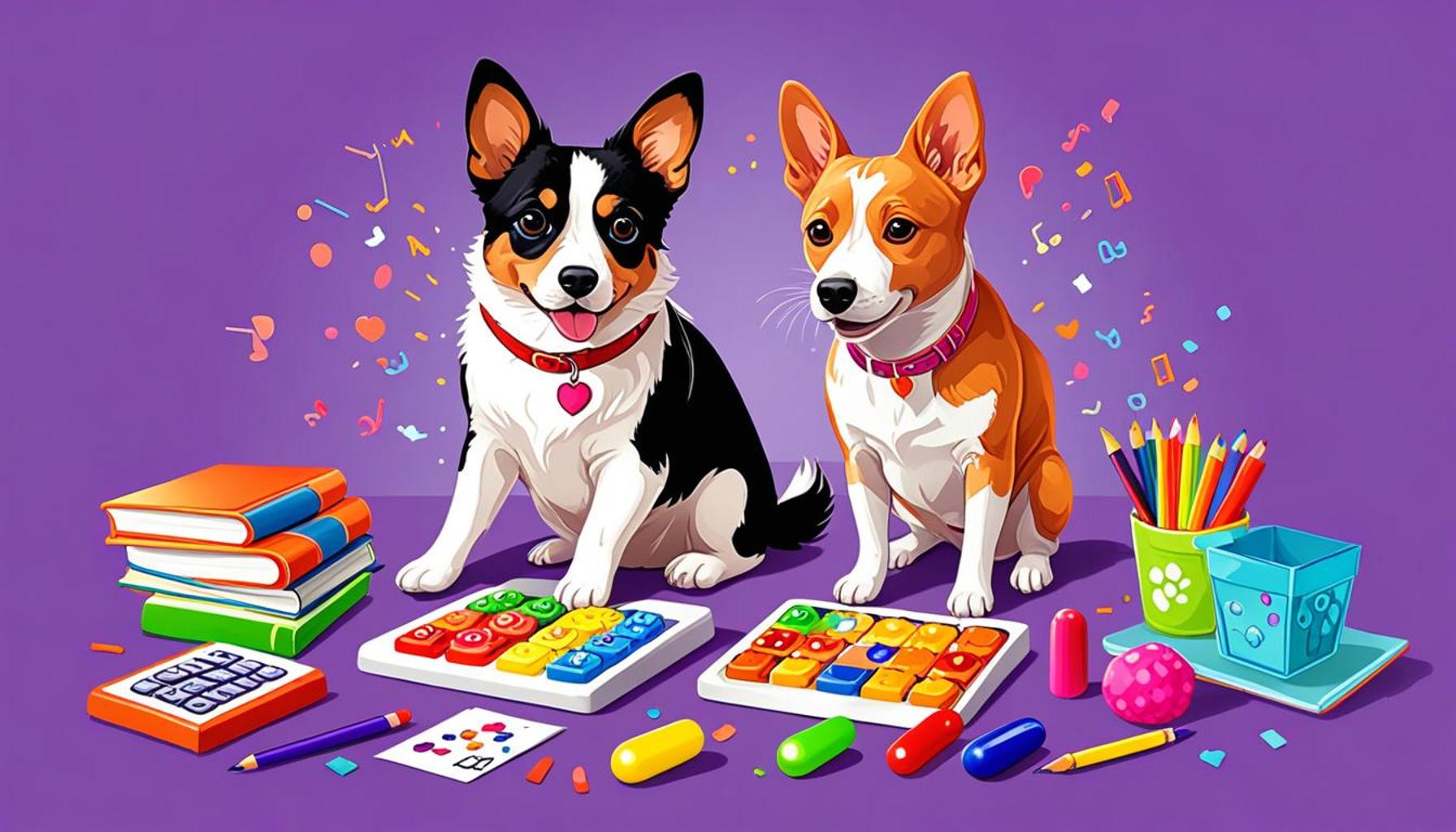
Unlocking Your Pet’s Potential
Pet training can sometimes feel like an uphill battle, but there’s a technique that may just turn your challenges into successes: clicker training. This positive reinforcement method can significantly enhance your pet’s learning experience, turning lessons into fun games. For pet owners seeking to foster a better relationship with their furry friends, understanding the nuances of clicker training could be the key to successful interactions.
What Makes Clicker Training Unique?
Clicker training is based on the idea of associating a distinct sound with a reward. Here’s how it works:
- Sound Recognition: The clicker emits a unique sound that captures your pet’s attention. This sound serves as a clear signal that the behavior exhibited is correct. For instance, if you are training a dog to sit, as soon as they sit, you click the device.
- Immediate Feedback: The click happens immediately after a desired behavior, reinforcing learning. Timing is crucial here; the quicker the click occurs after the behavior, the better your pet will associate the sound with their action.
- Positive Reinforcement: This technique encourages your pet by using treats, praise, or play as incentives. For example, if your cat uses the litter box correctly, a click followed by a treat will encourage them to repeat that behavior.
It’s not just about teaching basic commands. Clicker training can also be used for:
- Behavior Modification: If a dog is overly anxious or has a habit of barking excessively, clicker training can help reprogram those behaviors into more acceptable actions, such as sitting quietly when a visitor arrives.
- Socialization Skills: Introducing pets to other animals or new environments can be daunting. Clicker training helps by rewarding calm behavior, thus reinforcing the notion that new experiences can lead to positive outcomes.
- Fun Tricks and Advanced Commands: Think beyond simple commands! Training your dog to perform tricks like playing dead or teaching your cat to high-five can be incredibly engaging and fun, strengthening the bond between you and your pet.
In a world where pet owners are constantly on the lookout for effective training methods, clicker training stands out for its effectiveness and versatility. With just a click and a treat, you are not only teaching your pet behaviors but also enhancing communication and fostering a positive, interactive environment. With patience and consistency, you can unlock your furry friend’s full potential, leading to a more obedient and happy pet. So why not explore this engaging training method today? Your pet might just surprise you with what they can learn!
LEARN MORE: Click here to discover the importance of balanced nutrition for your pet’s health
The Science Behind Clicker Training
At its core, clicker training leverages the principles of operant conditioning, a behavioral psychology concept that focuses on how behaviors are influenced by the consequences that follow them. This method of training is not just a fleeting trend; it is rooted in years of research and is widely adopted by professional trainers and leading animal behaviorists.
One of the most appealing aspects of clicker training is the way it builds a positive association between the pet and the learning environment. Here’s how understanding this psychological foundation enhances the experience:
- Enhanced Communication: Clicker training bridges the communication gap between you and your pet. The click serves as a clear signal, letting your furry companion know precisely which behavior is being rewarded. This clarity can reduce confusion and frustration for both parties.
- Building Confidence: Through repeated positive experiences, animals begin to see training sessions as enjoyable. This is particularly beneficial for shy or anxious pets, as they learn that interacting with you and participating in training can lead to pleasant outcomes, thus building their confidence.
- Encouragement of Exploration: Clicker training empowers pets to explore and engage with their environment. Instead of simply enforcing commands, the clicker encourages pets to think for themselves, making the learning process dynamic and engaging.
Practical Applications and Versatility
Clicker training isn’t limited to basic commands; its versatility extends to a wide array of training objectives. Consider some of these practical applications:
- Housebreaking: For puppies or newly adopted pets, clicker training can expedite the housebreaking process. By rewarding them with a click and treat when they go outside, you reinforce the desired behavior, leading to faster learning.
- Leash Training: Teaching leash manners can be challenging. Clicker training helps instill good walking habits by rewarding your pet for walking calmly beside you, significantly reducing pulling and erratic behavior.
- Desensitization: If your pet struggles with certain stimuli, such as loud noises or unfamiliar faces, clicker training can be used for desensitization. Rewarding calm behaviors in these situations can help your pet learn to cope with their fears.
As you delve deeper into the world of clicker training, you’ll discover that it not only transforms the way your pet learns but also strengthens the bond you share. By prioritizing positive reinforcement and clear communication, you create a nurturing environment conducive to lifelong learning. With a clicker in hand and a pocket full of treats, the possibilities are endless.
| Category | Description |
|---|---|
| Positive Reinforcement | Clicker training is rooted in positive reinforcement, increasing your pet’s motivation to learn new commands. |
| Enhanced Communication | This method facilitates clearer communication between owner and pet, leading to a stronger bond and understanding. |
Using clicker training can significantly boost your pet’s ability to grasp new concepts swiftly and without the anxiety often linked to traditional training methods. With its focus on reward-based learning, this approach encourages your pet to remain engaged and eager to perform. Through regular practice, pets not only learn commands but also develop problem-solving skills that can be beneficial in various environments, creating opportunities for mental stimulation.Moreover, clicker training can be seamlessly integrated into everyday routines, making it a versatile method for teaching both basic obedience and advanced tricks. As you embark on this learning journey, exploring the various applications of clicker training can reveal new techniques that cater specifically to your pet’s unique personality and learning pace. With time, patience, and consistency, pet owners can witness remarkable transformations in their furry companions, fostering a rewarding and educational relationship that transcends basic obedience.
DISCOVER MORE: Click here to learn about balanced nutrition for your pet
Implementing Clicker Training: Tips for Success
Once you understand the foundation and benefits of clicker training, the next step is to implement it effectively. While clicker training is an excellent tool for enhancing your pet’s learning experience, its success hinges on a few key factors that pet owners should be mindful of.
Establishing a Strong Foundation
To start your clicker training journey, establishing a strong foundation is crucial. Begin by choosing the right clicker. There are various types available, including handheld devices and those integrated into apps on smartphones. The most important feature is a consistent and distinct sound that your pet can easily associate with rewards.
Next, introduce your pet to the clicker in a low-distraction environment. Initially, it’s vital to pair the sound of the click with a treat. When your pet hears the click, immediately reward them with a small, tasty treat. Repeat this process numerous times so that your pet learns to recognize the click as a signal for something positive. Research indicates that animals can develop these associations quickly, often within just a few sessions.
Timing is Everything
With clicker training, timing is everything. The click should happen at the precise moment your pet exhibits the desired behavior. If you want your dog to sit, for instance, click as soon as their bottom touches the ground. This immediate feedback reinforces the connection between their action and the reward. Studies reveal that the sooner the reward is given after a desired behavior, the more likely the pet is to repeat that behavior in the future.
Gradually Adding Complexity
Start with simple commands, gradually increasing complexity as your pet becomes proficient. For example, after mastering “sit,” you might advance to “stay,” “roll over,” or even more complex tricks like “fetch” or “play dead.” Each new task should build on what your pet has already learned, creating a scaffold that enriches their learning experience.
Maintaining Engagement
To maintain your pet’s enthusiasm, keep training sessions short and rewarding. Aim for 5-10 minute sessions, as prolonged training can lead to boredom or frustration. Plus, incorporating a variety of activities can help keep your pet engaged. Mixing routine commands with fun tricks can enrich their experience and boost morale.
Moreover, consider using a variety of treats. This variation can prevent your pet from becoming bored of the same rewards. You could use small pieces of healthy snacks as training treats or even incorporate some of their regular kibble for a more balanced approach. The key is to ensure that the rewards are enticing enough to motivate your pet to participate actively.
Common Challenges and Solutions
Just like in any learning process, challenges will arise in clicker training. One common issue is your pet’s distractions. If they lose focus, it may be beneficial to change your environment to a quieter space until they can concentrate better. Persistence is essential, as patience will ultimately lead to success. Reinforcement is pivotal; always remember that every pet learns at their own pace.
With these tips in mind, you will harness the full potential of clicker training. By adhering to the principles of timing, positive reinforcement, and gradual complexity, you are setting your pet up for a lifetime of learning and connection. Through this enhanced training experience, not only will your pet develop new skills, but the bond you share will flourish as well.
DON’T MISS: Click here to discover hypoallergenic dog breeds
Conclusion
In summary, clicker training stands out as a highly effective method for enhancing your pet’s learning experience while deepening the bond you share. The principles of timing, positive reinforcement, and gradual complexity serve not just as mere guidelines but as the very framework upon which successful training is built. By fostering a playful and engaging atmosphere, you allow your pet to experience the joy of learning, transforming training sessions into rewarding interactions.
Moreover, as you navigate potential challenges, remember that patience and persistence are key. Each pet has its unique learning pace, and recognizing this individuality enhances not only their comprehension but also your relationship. As you explore new tricks and commands, consider incorporating a variety of enriching activities and rewards to maintain your pet’s enthusiasm and commitment.
Ultimately, clicker training empowers pet owners to be more mindful and proactive in their approach, creating a harmonious environment conducive to learning. This method not only leads to well-behaved pets but cultivates an environment where both pet and owner thrive. As you embark on or continue your clicker training journey, remember that every click is a step toward a more enriched and interactive companionship. For additional insights and techniques, consider joining community forums or engaging with professionals who specialize in behavior training to further elevate your experience.

Linda Carter
Linda Carter is a writer and pet care expert specializing in pet health, grooming, and wellness. With extensive experience helping pet owners create safe, loving, and enriching environments for their animals, Linda shares her knowledge on our platform. Her goal is to empower readers with practical advice and strategies to ensure their pets thrive and lead joyful, healthy lives.