Using Body Language to Enhance Training Communication with Pets
The Importance of Non-Verbal Communication with Pets
Effective communication with pets goes beyond simple commands and verbal cues; it is deeply rooted in non-verbal interactions. Animals, particularly dogs and cats, possess a unique way of expressing their feelings and needs through body language. Understanding these signals is crucial for pet owners looking to create a harmonious relationship with their furry companions.
The Power of Signals
The importance of recognizing non-verbal behaviors cannot be overstated. By paying attention to specific cues, pet owners can better understand their pets’ emotional states and respond appropriately. Here are some significant signs to observe:
- Tail Position: The simple act of wagging can convey a spectrum of moods. For instance, while a brisk wagging tail often signifies excitement or happiness, a tail lowered between the legs may indicate fear or submission. It’s essential to discern the context to respond adequately.
- Ears: Animal ears are telling. When a dog’s ears stand erect and slightly forward, it often signals curiosity or engagement. In contrast, ears that are pinned back can indicate anxiety, submission, or aggression, depending on the dog’s overall posture and situation.
- Body Posture: A relaxed dog may lie on its back, exposing its belly, a sign of trust and comfort. Conversely, if a pet is standing rigidly or has a tense body posture, it may be defensive or anxious, signaling owners to ease any potential stressors in the environment.
Building a Connection
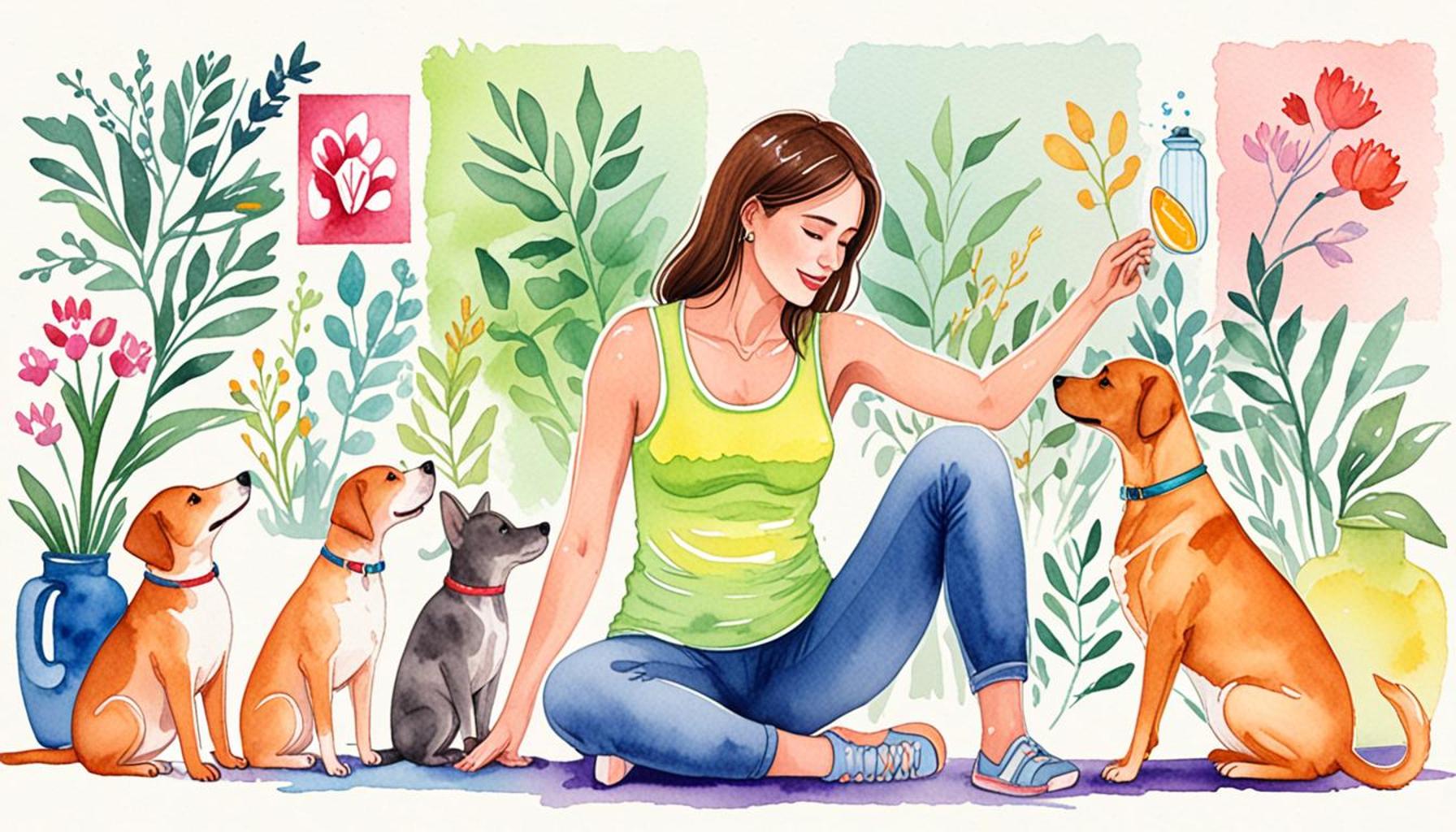
Aligning your own body language with your pet’s signals fosters a deeper bond. For example, if you notice your dog approaching with a wagging tail, you might kneel down, adopting a non-threatening posture. This mutual understanding can significantly enhance responsiveness during training sessions, making them not only more productive but also enjoyable for both parties.
Establishing this connection relies on the synchronization of your responses with your pet’s signals. When you mirror relaxed body language, you signal safety and trust, further encouraging open communication. This process enhances your pet’s willingness to learn and cooperate.
Why It Matters
Utilizing body language effectively in your interactions can lead to substantial benefits, including:
- Greater understanding of their pet’s needs: By interpreting body language, pet owners can better meet their pets’ emotional and physical requirements, potentially preventing behavioral issues.
- More efficient communication during training exercises: Recognizing what your pet is trying to convey allows for tailored training approaches, making learning experiences more effective.
- A harmonious relationship built on trust and respect: As communication improves, so does the overall bond, leading to a more profound mutual respect and understanding.
Exploring the intricacies of body language not only enriches training techniques but also enhances your overall experience with your pet. Taking the time to delve into this fascinating topic offers insight into the often overlooked yet vital aspect of pet ownership—non-verbal communication. This understanding can unlock a new level of connection and engagement with your furry friend, ultimately leading to a happier and healthier life together.
LEARN MORE: Click here to discover your cat’s feelings
Understanding Your Pet’s Body Language
To effectively use body language in training, one must first understand the nuances of their pet’s body language. Different pets express themselves through a variety of signals that provide insight into their emotions, intentions, and well-being. During training sessions, attention to these signals can determine if a pet is engaged or overwhelmed, responsive or hesitant.
Decoding the Signals
Each animal presents distinctive signals that are often context-dependent. Here are some key behaviors to look out for during interactions and training:
- Eye Contact: A pet that maintains eye contact may be displaying trust and willingness to engage with its owner. Conversely, if a pet consistently avoids eye contact, it may signal discomfort or a desire to retreat from the situation, highlighting the need for a gentler approach.
- Mouth Movements: A relaxed mouth, with a slightly open jaw and visible tongue, can indicate a comfortable pet. However, a closed mouth accompanied by tense, tight lips may suggest stress or anxiety, indicating that it might be best to pause training or adjust the environment.
- Physical Proximity: Animals often show their comfort levels based on how close they are willing to get to you. A pet that approaches and leans into you is likely feeling secure, whereas a pet that keeps its distance may be feeling uncertain or protective.
Recognizing these behaviors is vital for creating a supportive training environment. By interpreting these signals accurately, pet owners can adjust their methods to better suit the pet’s emotional state. For example, if a dog appears anxious before starting a training session, taking a moment to play or engage in simple relaxation exercises can help ease its nerves.
Creating a Positive Training Atmosphere
A critical aspect of using body language effectively is the environment in which training occurs. Creating a calm and predictable atmosphere is beneficial for both the pet and the owner. Here are several strategies to enhance your training atmosphere:
- Use Consistent Body Language: Being aware of your own body language can set the tone for training. Approaching your pet with a relaxed demeanor, perhaps by squatting down to their level, makes you less intimidating and encourages engagement.
- Positive Reinforcement: Pairing verbal praise with appropriate body language, such as clapping your hands or giving treats, reinforces desired behaviors. Celebrating successes, no matter how small, further strengthens the bond between owner and pet.
- Minimize Distractions: Ensure the training area is free from loud noises and other distractions that could cause stress or fear. A quiet, familiar environment allows pets to focus more on their owner’s signals and commands.
By implementing these practices, pet owners not only improve communication but also enhance the training experience for both themselves and their pets. A pet that feels secure and understood is much more likely to thrive in a training setting, making it essential to pay attention to the unspoken signals exchanged during this process.
| Advantages | Description |
|---|---|
| Improved Understanding | Utilizing body language helps pet owners decipher their animal’s emotions more effectively. |
| Stronger Bond | Enhanced communication via body language fosters mutual respect and trust between pets and their owners. |
The fascinating interplay of body language in pet training reveals a world of non-verbal cues that can significantly impact pet-owner relationships. Understanding how your pet communicates through their body can lead to a richer training experience and a deeper connection. For instance, recognizing signs of discomfort in dogs—like tucked tails or flattened ears—can enable you to adapt training methods to be kinder and more effective. Similarly, while working with cats, understanding their subtle gestures, such as tail flicks or ear angles, can guide training techniques that respect their more independent nature.
Furthermore, using body language to denote commands can facilitate a more intuitive training process. Dogs are known to respond positively to consistent, clear signals, allowing commands to transcend verbal instructions. This makes training sessions not only more engaging but also increases the likelihood of compliance. With the right knowledge about your pet’s body movements, you can create an environment where learning is both enjoyable and productive.
DISCOVER MORE: Click here to learn about the impact of early socialization on your dog’s behavior
Leveraging Your Own Body Language
In training sessions, the animal’s communication is only half the puzzle; the human’s body language plays a critical role as well. Understanding how your own movements and gestures can impact your pet’s behavior is fundamental to establishing effective communication. Just like humans, pets are keen observers of their environment and the people within it, often mirroring emotions conveyed through subtle body cues.
Mirroring Techniques
One fascinating aspect of animal communication is the phenomenon of mirroring. This occurs when a pet imitates the body language or energy of their owner. For instance, if a trainer adopts a relaxed posture, uses soft tones, and displays calm movements, the pet is likely to reflect that tranquility. Conversely, any signs of frustration or tension may lead to similar reactions from the pet, which can derail the training process. Here are some strategies to capitalize on mirroring:
- Maintain a Calm Demeanor: When teaching commands, breathe deeply and exhibit a soothing tone. Your pet will likely sense your calmness, making them more receptive to learning. If your emotions are agitated, try to pause for a moment to re-center yourself before proceeding.
- Use Open, Inviting Gestures: Hands positioned open and relaxed can signify trust and readiness for interaction. Conversely, crossed arms may unintentionally communicate defensiveness or disinterest. Adopt an open posture that encourages your pet to engage rather than retreat.
- Consistent Gestures for Commands: Utilize specific, consistent hand signals associated with commands you want your pet to learn. A clear, recognizable motion combined with a verbal command cements understanding. Over time, the pet will begin associating the gesture with the expected action, yielding smoother communication.
Sentiment and Touch
Touch is another powerful form of communication in the training dynamic between pet and owner. A gentle hand on a pet’s back or a soft pat can convey reassurance and encourage them to try new behaviors. However, it is crucial to be aware of how your touch is received. Consider the following:
- Observe Your Pet’s Reaction: Pay attention to how your pet responds to touch. A stiffening body or moving away can signal discomfort. For these cases, consider approaching them more gradually or altering your method of interaction.
- Utilize Play as a Reinforcement Tool: Incorporate play into training sessions. A few minutes of fetch or tug-of-war can build excitement and trust, creating a more open channel of communication.
- Reward Success with Affection: When training has been successful, pairing verbal praise with physical affection can reinforce positive behaviors. Leaning in with a gentle stroke or scratch behind the ear will go a long way in making your pet feel valued and eager to repeat the desired behavior.
Awareness and intentional use of one’s body language is paramount in enhancing communication with pets. By being mindful of our movements, facial expressions, and even our physical touch, we not only foster a more productive training environment but also deepen the emotional bond with our furry companions. The subtle signals we share can reshape the interactions we have, paving the way for a harmonious training experience that resonates with understanding and mutual respect.
DISCOVER MORE: Click here to find the perfect feline friend
Conclusion: The Power of Nonverbal Communication in Pet Training
In the journey of training our pets, the significance of body language cannot be overstated. As we explored, effective communication begins with a comprehensive understanding of both human and animal body cues. By utilizing techniques such as mirroring, open gestures, and appropriate touch, trainers can forge a deeper, more trusting bond with their pets. It is evident that pets are not just here to learn commands; they are truly engaged in a two-way conversation where silent cues play a pivotal role.
Moreover, building an environment that encourages receptiveness relays a sense of security for your pet. The nuances of calm demeanor and affectionate interaction can greatly influence training outcomes and foster a sense of collaboration. As the human-animal bond strengthens, the effectiveness of training is enhanced, allowing for a more enjoyable experience for both parties.
As you embark on your training journey, remember that every gesture, posture, and touch counts. Reflect on how your body language might be influencing your pet’s understanding and enthusiasm. By combining these insights with dedicated training practices, you set the stage for a relationship built on trust and mutual respect. Take the time to observe, adjust, and celebrate the unique communications you share with your furry friend. Ultimately, the lessons learned through body language will not only create a well-trained pet but will also enrich the life-long companionship that you cherish.

Linda Carter
Linda Carter is a writer and pet care expert specializing in pet health, grooming, and wellness. With extensive experience helping pet owners create safe, loving, and enriching environments for their animals, Linda shares her knowledge on our platform. Her goal is to empower readers with practical advice and strategies to ensure their pets thrive and lead joyful, healthy lives.